
Troubleshooting Common Spray Pattern Problems
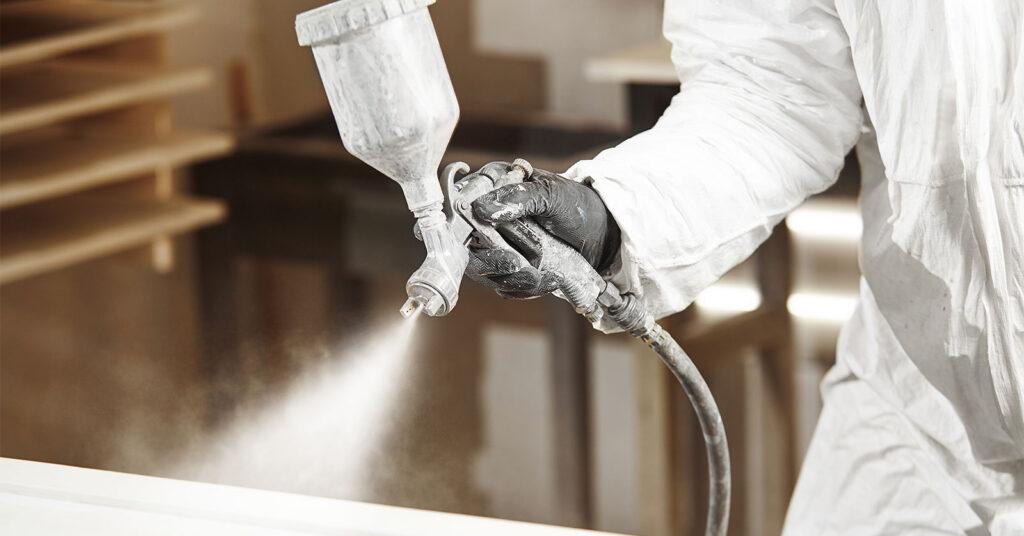
Spray pattern problems can have a significant impact on industrial finishing operations. Poor spray patterns often result in uneven coating quality, increased material waste, higher rework costs and slower production times.
While these issues can be frustrating, the good news is that most common spray pattern problems can be identified and resolved quickly with the right troubleshooting approach. In many cases, the solution is as simple as cleaning a blocked component or making a small adjustment to your spray settings.
Of course, preventing problems is even better than fixing them. Starting with properly selected and maintained industrial spray equipment is one of the most effective ways to achieve consistent, trouble-free spraying and high-quality finishes.
Understanding spray patterns and what can go wrong
A correctly functioning spray gun should produce a uniform, symmetrical spray pattern with an even distribution of coating material across the entire spray fan. This allows coatings to be applied consistently while minimising overspray, uneven film build and material waste.
When something isn’t working correctly, changes in the spray pattern often provide valuable clues about the underlying problem. Common spray pattern faults include:
- split or banana-shaped spray patterns
- heavy top or bottom patterns
- heavy centre patterns
- heavy edge patterns
- spitting or spattering
- pulsating spray.
Recognising these patterns can help operators diagnose problems quickly, identify likely causes and restore optimal spraying performance.
Common spray pattern problems and their solutions
Split or banana-shaped patterns
A split or banana-shaped pattern typically indicates that airflow through the air cap has been disrupted, causing coating material to concentrate on either side of the spray fan instead of being distributed evenly.
Common causes include:
- clogged air cap holes
- a worn or damaged air cap or fluid tip
- dried coating material affecting airflow or fluid delivery
How to fix it:
Inspect the air cap for blocked holes and clean it using the manufacturer’s recommended cleaning methods. Use only suitable cleaning brushes or soft implements, as hard metal objects can damage or enlarge the precision air holes and affect spray performance.
If the air cap or fluid tip shows signs of wear or damage, replace the affected component. Thoroughly remove any dried coating material before returning the spray gun to service.
Heavy top or bottom patterns
A spray pattern that is noticeably heavier at either the top or bottom usually indicates uneven airflow through the air cap.
Common causes include:
- clogged air cap holes
- dirt or coating build-up on the air cap seat
How to fix it:
Clean the air cap thoroughly and inspect all air passages for blockages. Remove any dirt or coating residue from the air cap seating surfaces to ensure the cap fits correctly and airflow is restored.
Heavy centre patterns
A heavy centre pattern deposits excessive coating material in the middle of the spray fan, increasing the risk of runs, sags and uneven film thickness.
Common causes include:
- spray pressure that is too low
- coating material with excessive viscosity
- holding the spray gun too close to the workpiece
How to fix it:
Confirm that the spray pressure is within the manufacturer’s recommended range for the coating and spray tip being used.
If the coating is too viscous, adjust it according to the coating manufacturer’s recommendations before spraying. Also ensure that the spray gun is held at the recommended distance from the workpiece and moved at a consistent speed to achieve even coverage.
Heavy edge patterns
A heavy edge pattern deposits excessive coating around the outside of the spray fan while leaving the centre relatively light.
Common causes include:
- spray pressure that is too high
- coating material that is too thin
- holding the spray gun too far from the workpiece
How to fix it:
Reduce spray pressure if it is excessive, confirm that the coating has the correct viscosity for the application, and maintain the recommended spraying distance.
If the problem persists, inspect the spray tip and air cap for wear and verify that they are suitable for the coating and application.
Spitting or spattering
Spitting or spattering causes an inconsistent spray pattern with droplets or bursts of coating material that can spoil the finished surface.
Common causes include:
- a loose fluid nozzle
- air leaks within the system
- dirt in the fluid passages
- contaminated coating material
How to fix it:
Check that the fluid nozzle is properly seated and tightened according to the manufacturer’s specifications.
Inspect packings, seals and fluid connections for leaks, clean the fluid passages thoroughly, and ensure coating materials are filtered before entering the spray system.
Pulsating spray
A spray pattern that repeatedly strengthens and weakens usually indicates an interruption in the supply of coating material.
Common causes include:
- insufficient material supply
- loose fluid connections
- air entering the fluid lines
How to fix it:
Check that there is an adequate supply of coating material and that the feed system is operating correctly. Tighten any loose fluid connections and inspect hoses and fittings for leaks that could allow air into the fluid line.
Preventive maintenance to avoid spray pattern issues
Many spray pattern problems can be avoided through a proactive maintenance programme.
Six good maintenance practices to implement:
- Clean spray guns thoroughly after every use, following the manufacturer’s recommended cleaning procedures.
- Filter coating materials before they enter the spray system to prevent contaminants from blocking fluid passages or spray tips.
- Regularly inspect air caps, fluid tips, needles and seals for signs of wear or damage.
- Replace worn consumable components before they begin affecting spray quality.
- Store spray equipment in a clean, dry environment to protect precision components.
- Maintain the correct spray pressure, fluid pressure, coating viscosity and spray distance for each application.
Routine maintenance helps ensure consistent spray patterns. It can also reduce downtime, minimise material waste and extend the service life of your spray equipment.
When to seek professional support
If spray pattern problems persist after routine cleaning, inspection and adjustment, the equipment may require professional servicing or component replacement.
Recurring blockages, worn spray tips, damaged air caps, leaking seals or consistently poor spray performance are all signs that expert assistance may be needed. Having equipment inspected before minor issues develop into major failures can help reduce costly downtime and maintain consistent production quality.
Get expert advice on industrial spray equipment
Whether you’re troubleshooting an existing spray finishing process or specifying equipment for a new application, SCT can help.
Contact us for expert guidance on selecting, maintaining or troubleshooting industrial spray equipment, to achieve reliable spray patterns and consistent finish quality across a wide range of industrial applications.